





Our Blog

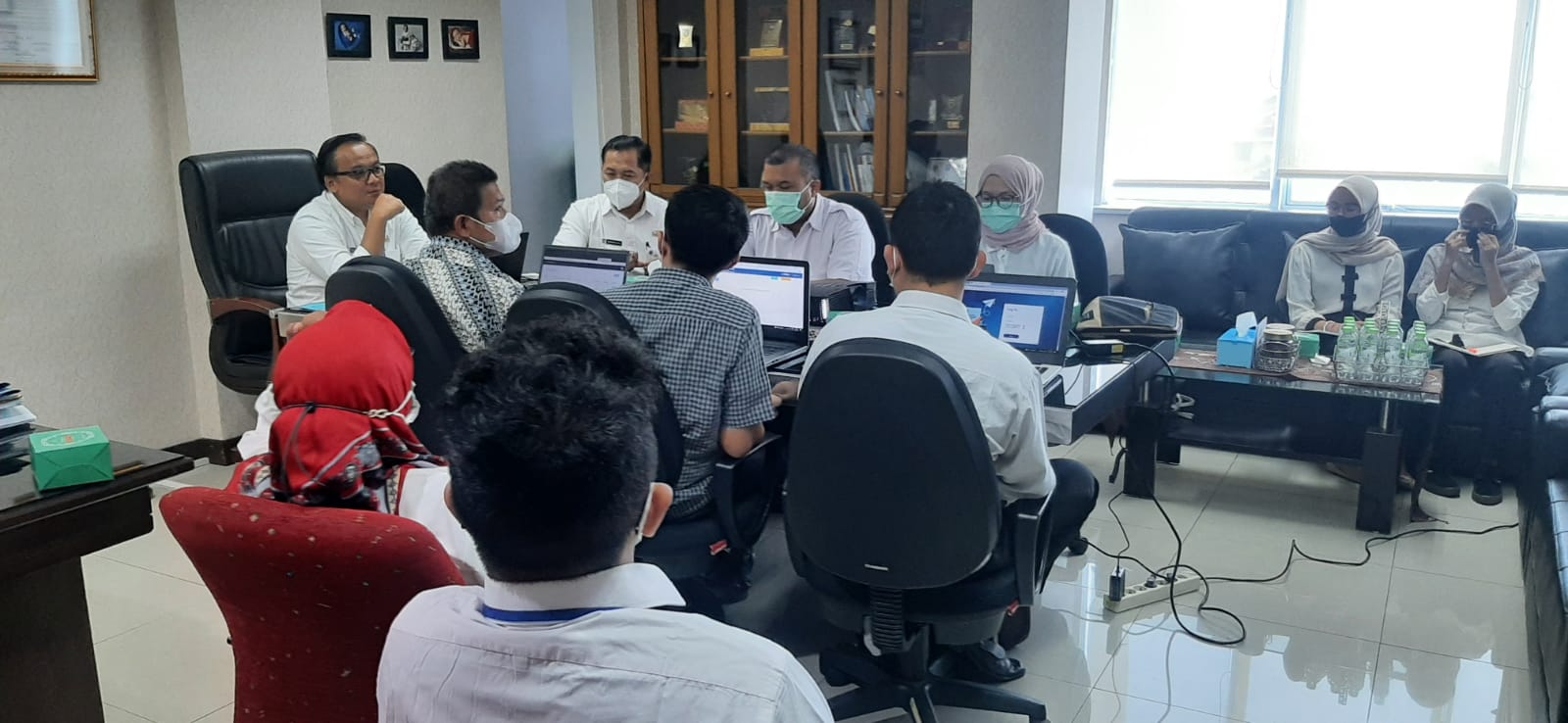
Presentation on the Development of the eOffice Application for the Directorate General of Population and Civil Registration, Ministry of Home Affairs of the Republic of Indonesia.

Non-Permanent Population Application Development Presentation – Directorate General of Population and Civil Registration, Ministry of Home Affairs, Republic of Indonesia.

From the blog

Learn how to grow your business with our expert advice.

International Grant Program Application Development Briefing - Phase 1

On Friday (12/17/2021), the team presented Phase 1 of the International Grant Program application as part of the effort to improve grant administration with clearer documentation and traceability. The briefing emphasized digitizing the process so submission, verification, monitoring, and reporting can move faster with fewer administrative errors. <p> Phase 1 focuses on the system foundation that includes master data management, submission flow, and multi-step verification and approval. With this approach, each step can be tracked in real time, including an audit trail to ensure accountability. <p> The Phase 1 scope includes: <ul> <li><strong>User and Role Management</strong>: access control aligned with responsibilities.</li> <li><strong>Grant Submission</strong>: data entry, required document upload, and basic validation.</li> <li><strong>Document Verification</strong>: structured checks for completeness and conformity.</li> <li><strong>Multi-level Approval</strong>: SOP-based approvals with revision notes and comments.</li> <li><strong>Monitoring Dashboard</strong>: status summaries, verification progress, and follow-up notifications.</li> <li><strong>Initial Reporting</strong>: submission recaps and process status for internal evaluation.</li> </ul> <p> On the technical side, the briefing also highlighted data security standards (access management, activity logging, and document control) and a staged integration plan with supporting systems if needed in later phases. The implementation is modular so it can be expanded for Phase 2 and beyond. <p> With the International Grant Program application, grant management is expected to become more orderly, transparent, and efficient - from submission and verification to approval and reporting. Phase 1 establishes a stable base that can be improved as operational needs evolve.


eOffice Dukcapil Application Development Briefing at the Ministry of Home Affairs

On Wednesday (07/27/2022), the Ministry of Home Affairs held a briefing on the eOffice Dukcapil initiative as part of the public service transformation to make administrative work more efficient. Electronic Office (eOffice) is a web-based application that digitizes correspondence and population administration. Official letters, staffing data, civil registration, and sensitive documents previously stored on paper can be accessed securely in digital form. Incoming and outgoing mail - from drafts and approvals to numbering and distribution - can be managed digitally. The improvements benefit staff and leaders by enabling electronic signatures and monitoring regional performance progress. The system supports online reporting in line with Ministry Regulation No. 53/2019 (Article 11(3) and Article 14), requiring reports to be submitted through SIAK by authorized users. Additional benefits include better internal coordination and analytics to support promotion and retirement planning based on defined criteria. The paperless approach also reduces printing costs (security printing for population documents) and supports sustainability by lowering paper usage. Overall, the digital transformation is expected to raise service quality and help agencies deliver faster and more professional public services.

Defense Ministry Hosts Indo Defence 2022 Expo and Forum, an International Defense Industry Exhibition

The Ministry of Defense announced the Indo Defence 2022 Expo and Forum, an international defense industry exhibition held on November 2-5, 2022 at JIExpo Kemayoran, Jakarta, under the theme "Peace, Prosperity, Strong Defence." The main exhibition ran from Wednesday (11/02/2022) to Saturday (11/05/2022). Professional visitors were served from Wednesday to Friday, while the public day was Saturday with an entry fee of Rp 50,000. Supporting events included an Aircraft Display at Halim Perdanakusuma Air Force Base and a Naval Ship Display at the Indonesian Navy Pondok Dayung Pier, both open to invited guests and the public with specific requirements. Registration and shuttle buses were provided at JIExpo Kemayoran. The biennial exhibition was expected to involve more than 900 industries from 57 countries. Indonesia has 207 defense industries, with 151 confirmed to participate. Exhibits ranged from small arms to armored vehicles, aircraft, warships, and components. Visitors were encouraged to register at https://visitorreg.id/q/IDD22 and find more information at the official sites. Officials emphasized that the event supports domestic industry development, export opportunities, and collaboration across business-to-business and government-to-government channels. <h3 class="qrt-mb-20">Opportunities for Indonesia</h3> The expo is positioned as a strategic platform to promote defense products and services and strengthen industry capacity through marketing and partnerships. <p class=""> Officials noted the export potential of local products already used abroad, such as LPD-class landing platform docks, transport aircraft, and small arms. The event was expected to proceed despite global tensions, reinforcing the commitment of Indonesia to industry development. <p class=""> The forum also enables communication, cooperation, and transactions among industry players, aligned with national defense procurement plans and budgets.

Non-Permanent Resident Application Development Briefing (Dukcapil, Ministry of Home Affairs)

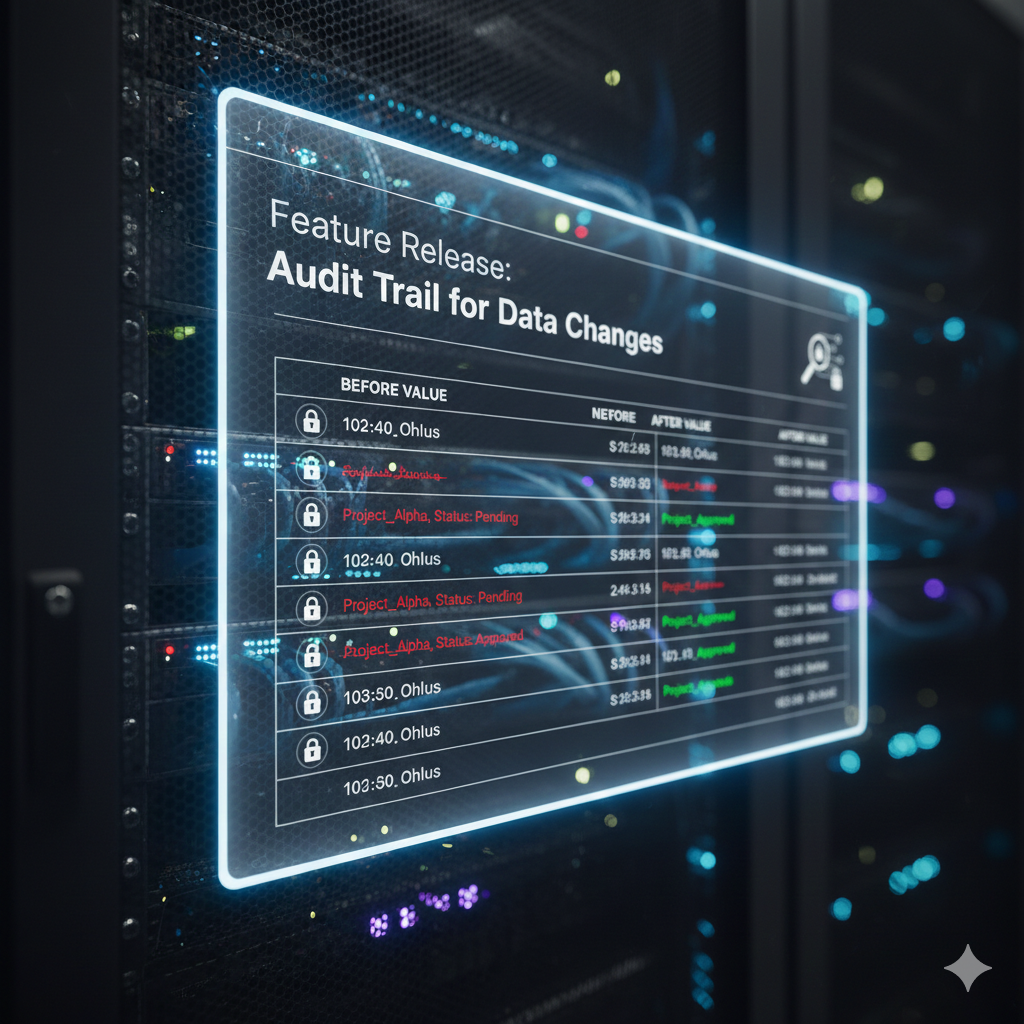
On Wednesday (09/14/2022), Dukcapil at the Ministry of Home Affairs held a briefing on the Non-Permanent Resident application as part of efforts to strengthen population administration through structured digital data collection, verification, and reporting. The application helps local offices record residents who temporarily live in an area, including identity data, temporary address, length of stay, and supporting information in line with regulations. A digital workflow is expected to improve efficiency, traceability, and reduce duplicate data. The development scope includes: <ul> <li><strong>Data Management</strong>: non-permanent resident records, basic validation, and regional master data.</li> <li><strong>Registration and Verification</strong>: data input flow and document completeness with verification status.</li> <li><strong>Monitoring Dashboard</strong>: regional summaries, mobility trends, and oversight indicators.</li> <li><strong>Reporting</strong>: periodic reports and data export for internal needs.</li> <li><strong>Audit Trail</strong>: activity logs for data change accountability.</li> </ul> Operationally, the application supports cross-unit coordination with clear notifications and process status. Data security is a key focus, including role-based access control, document governance, and good practices for population data management. The program aims to make data collection faster, more accurate, and transparent to support public service planning and data-driven decisions at the regional level.

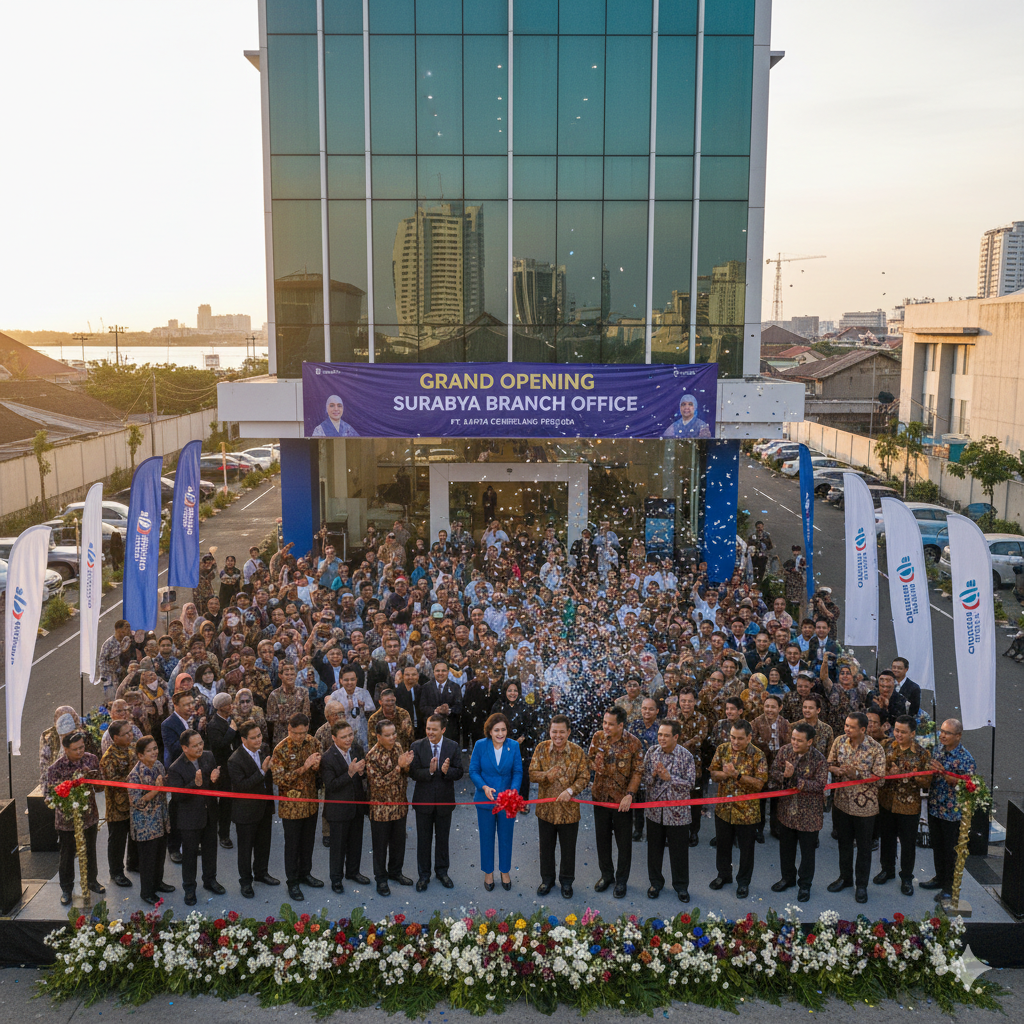
Announcement: Opening the Surabaya Branch Office

Starting January 2026, we officially opened the Surabaya branch office. This decision comes from rising support demand in East Java and our commitment to deliver service that is closer, faster, and consistent. With a local team, customers do not need to wait for visits from other cities for onboarding, workshops, or process optimization discussions. The goal is simple: reduce friction, speed adoption, and ensure a clean implementation from day one. <h3>Service focus in the Surabaya branch</h3> <ul><li><strong>Structured onboarding</strong>: initial configuration, role mapping, and template adjustments aligned with internal SOP</li><li><strong>Implementation support</strong>: review approval flows, notifications, and basic integrations if needed</li><li><strong>Operational support</strong>: daily issue handling, admin training, and monthly evaluations</li><li><strong>Process improvement workshops</strong>: identify bottlenecks and data-driven improvement recommendations</li></ul> <h3>Impact for customers</h3> We target faster response for time-sensitive needs such as configuration changes that block workflows or training needs when admin roles change. A local team also helps keep customer documentation consistent and easy to audit. <h3>Next steps</h3> <ol><li>If you are in East Java, our team will contact you to schedule an introduction and needs mapping.</li><li>For new customers, onboarding can be scheduled more flexibly (online or on-site).</li><li>For existing customers, we prepare a light configuration audit session to keep setups aligned with the latest SOP.</li></ol> <h3>Contact and schedule</h3> Please contact the support team to schedule sessions. We will also announce monthly workshops that customers can join for free. Thank you for your trust. We grow with your needs, and Surabaya is an important step to deliver service that is closer and more impactful.

2025 Performance Report: Higher Stability, Faster Response

Year 2025 was a consolidation year: we strengthened service stability and built more disciplined operational habits. The focus was not only to add features, but to ensure existing capabilities run more reliably and are easier to monitor. <h3>Key highlights</h3> <ul><li><strong>Monitoring improvements</strong>: alerts are more precise, reducing noise that is not actionable</li><li><strong>Incident response upgrades</strong>: clearer escalation paths, faster triage, and consistent postmortem documentation</li><li><strong>Support SOP standardization</strong>: repeat cases are handled faster with clear playbooks</li><li><strong>Performance gains</strong>: query optimization for critical dashboards and periodic reports</li></ul> <h3>How our work habits evolved</h3> We adopted simple but impactful routines: weekly service metric reviews, runbook updates, and data-driven improvement prioritization. This helps recurring issues get solved at the root rather than with quick patches. <h3>Key lessons from 2025</h3> <ul><li>Good alerts answer what is broken, how severe it is, and the first mitigation step.</li><li>Incident documentation helps new team members debug faster and reduces single points of knowledge.</li><li>Dashboard performance often signals query or index issues and should be monitored routinely.</li></ul> <h3>Focus areas for 2026</h3> <ol><li>Expand automation from initial triage to faster mitigation recommendations.</li><li>Improve transparency with a cleaner status page and incident communication.</li><li>Deepen security with stronger access control, audit trails, and credential rotation practices.</li></ol> We will continue to share updates so customers can follow our service improvements and reliability work.

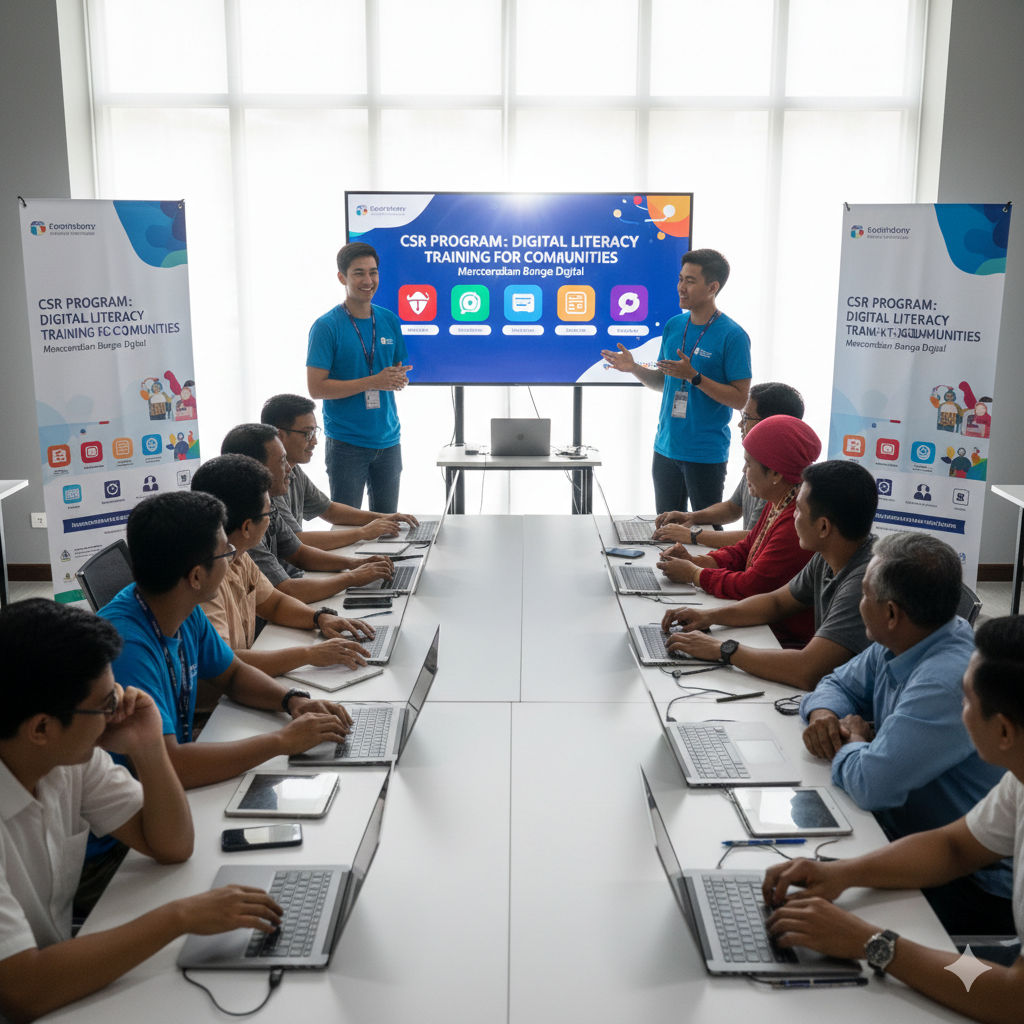
CSR Program: Digital Literacy Training for Communities

Wider digital access brings two sides: productivity opportunities and security risks. Through our CSR program, we provide digital literacy training for local communities so technology use becomes safer and more useful. <h3>Why digital literacy matters</h3> Many security incidents start from simple issues such as scam links, weak credentials, or careless data sharing. At the same time, many people do not yet use digital tools to save time, organize documents, and collaborate effectively. <h3>Topics covered</h3> <ul><li><strong>Basic security</strong>: recognize scam links, avoid risky sources, and verify information</li><li><strong>Account protection</strong>: create strong credentials, use credential managers, and enable multi-factor authentication</li><li><strong>Productivity</strong>: document management, file naming, version control, and paperless practices</li><li><strong>Privacy</strong>: what data should not be shared and how to manage privacy settings</li></ul> <h3>Training format</h3> Sessions are short, hands-on, and case-based. Participants practice enabling multi-factor authentication, organizing folders, and spotting common scam patterns. <h3>Expected impact</h3> <ul><li>Communities build safer digital habits and stronger risk awareness.</li><li>Productivity improves because documents are organized and easier to find.</li><li>A learning network forms as participants share good practices after the training.</li></ul> We believe the best contribution is consistent. This program will continue regularly and materials will be updated with new risk patterns in the field.

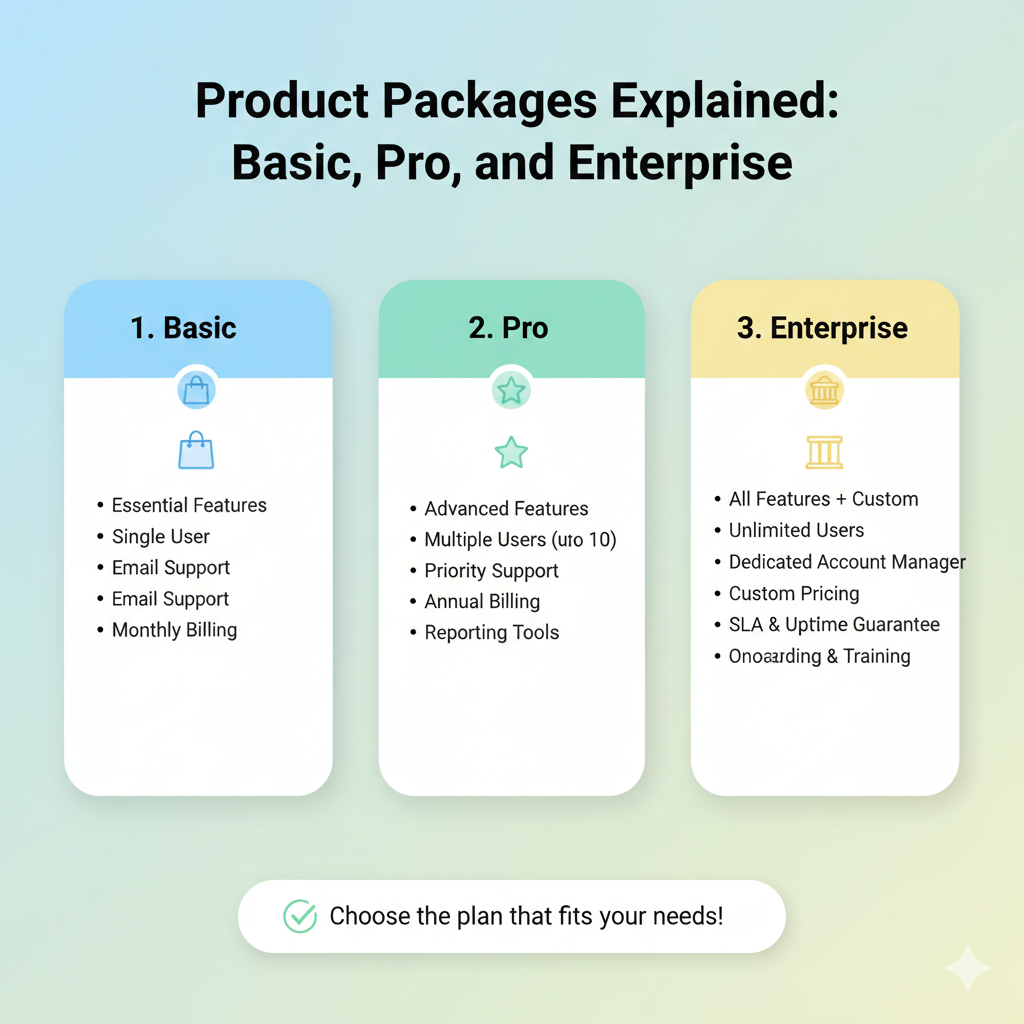
Product Packages Explained: Basic, Pro, and Enterprise

Choosing the right package makes implementation smoother and costs more efficient. Below is a practical guide to understand the differences between Basic, Pro, and Enterprise and when to upgrade. <h3>Quick overview of each package</h3> <ul><li><strong>Basic</strong>: core features to get started and build clean working habits</li><li><strong>Pro</strong>: automation, integrations, and deeper analytics for growing teams</li><li><strong>Enterprise</strong>: stronger controls, auditing, and implementation support for organizations with strict governance</li></ul> <h3>How to choose based on needs</h3> <h4>1) Team size and process complexity</h4> If your team is small and processes are simple, Basic is usually enough. When approvals grow, multiple units are involved, or documents go through many revisions, Pro becomes more valuable because automation and reporting are stronger. <h4>2) Access control and compliance</h4> Organizations that need audit trails, granular access policies, and compliance requirements usually fit Enterprise. It helps ensure every change is traceable and access does not exceed authority. <h4>3) Reporting and insights</h4> If you need routine reports for management or want to monitor bottlenecks, Pro and Enterprise offer stronger dashboards and export options. <h3>Example scenarios</h3> <ul><li><strong>Basic</strong>: teams of 5-20, simple workflows, starting paperless practices.</li><li><strong>Pro</strong>: teams of 20-200, many request types, need integrations and reporting.</li><li><strong>Enterprise</strong>: cross-division, strict access policies, periodic audits, need SLA and implementation assistance.</li></ul> <h3>Implementation tips to avoid missteps</h3> <ol><li>Start with the most frequent process so adoption shows results quickly.</li><li>Assign process owners and admins responsible for templates and roles.</li><li>Collect feedback during the first 2-4 weeks, then refine configuration.</li><li>Upgrade when the need is clear, not only because a feature looks attractive.</li></ol> If you want, our team can run a short assessment to map needs and recommend the most efficient package.

Product: KPI Dashboard for Process Monitoring

KPI dashboards help teams monitor process health without opening each item. With the right KPIs, you can see bottlenecks, prioritize improvements, and report progress to stakeholders clearly. <h3>Common KPIs</h3> <ul><li><strong>Completion time</strong> by process type and unit.</li><li><strong>Request volume</strong> per period (daily, weekly, monthly).</li><li><strong>Revision ratio</strong> and the stage most often causing revisions.</li><li><strong>SLA compliance</strong> if service targets are defined.</li></ul> <h3>How to read dashboards correctly</h3> <ul><li>Do not only look at averages; check distribution and outliers.</li><li>Compare equivalent periods (this month vs last month) to avoid seasonal bias.</li><li>Look for correlations: higher volume often drives longer completion time if capacity does not increase.</li></ul> <h3>Make dashboards more actionable</h3> <ol><li>Define metrics consistently (for example, when time starts counting).</li><li>Segment by unit, request type, and approval stage.</li><li>Add common filters so users can find insights quickly.</li><li>Include recommendations, such as the five slowest processes.</li></ol> <h3>Example improvements from KPI findings</h3> <ul><li>If revisions are high in verification, improve templates and add completeness checklists.</li><li>If bottlenecks are with a specific approver, consider delegation or routing rules.</li><li>If dashboards are slow, review caching and report query performance.</li></ul> Use KPI dashboards as a process improvement tool, not just a report. The most value appears when data turns into decisions and cleaner work habits.

Technology: Observability Principles for Modern Apps

Observability is the ability to understand internal system conditions from the signals the system produces. It is more than monitoring; observability helps explain why an issue happened, not only that it happened. <h3>The three pillars of observability</h3> <ul><li><strong>Logs</strong>: event records with context for detailed investigation.</li><li><strong>Metrics</strong>: aggregated numbers such as latency, throughput, and error rate for trends and alerts.</li><li><strong>Traces</strong>: request journeys across services to locate bottlenecks and dependencies.</li></ul> <h3>Start with what matters most</h3> If you are new to observability, do not instrument everything at once. Choose critical endpoints or flows, such as login, submission, or approval. Set simple SLOs like success rate and latency thresholds. <h3>Healthy alerting</h3> <ul><li>Actionable: a clear first step exists.</li><li>Low noise: avoid notification spam.</li><li>Based on SLOs: focus on user experience, not irrelevant internal metrics.</li></ul> <h3>Good practices often missed</h3> <ul><li>Add correlation IDs so logs and traces can be linked.</li><li>Standardize log format and levels (info, warn, error).</li><li>Keep runbooks near alerts so responders know what to do.</li></ul> <h3>Example investigation flow</h3> <ol><li>An error rate alert increases for a specific endpoint.</li><li>Check traces to see which service is slow or failing.</li><li>Review logs for the same correlation IDs to get context.</li><li>Apply mitigation, then document a postmortem and permanent fix.</li></ol> Good observability keeps teams calm: issues are detected faster, investigations are shorter, and fixes are more targeted.

Technology: Event-Driven Architecture for Scalable Processes

Event-driven architecture (EDA) publishes important state changes as events, and other services react to those events. It works well for long, multi-stage, and cross-system workflows. <h3>Why event-driven improves scalability</h3> <ul><li><strong>Decoupling</strong>: producers do not need to know their consumers.</li><li><strong>Asynchronous work</strong>: heavy processing can run in the background without blocking users.</li><li><strong>Extensible</strong>: add new consumers by subscribing to events without changing producers.</li></ul> <h3>Common EDA components</h3> <ul><li>Event broker or message queue for distribution.</li><li>Stable, documented event schemas.</li><li>Idempotent consumers with retry strategy.</li><li>Dead-letter queues for failed events.</li></ul> <h3>Design decisions to make early</h3> <ul><li><strong>Idempotency</strong>: repeated events must not corrupt data.</li><li><strong>Ordering</strong>: decide if event order must be preserved.</li><li><strong>Delivery semantics</strong>: at-least-once vs exactly-once and the trade-offs.</li><li><strong>Observability</strong>: trace events end-to-end from publish to completion.</li></ul> <h3>When EDA is not a fit</h3> If a process is simple and synchronous flow is enough, EDA can add unnecessary complexity. Use EDA when decoupling and async execution are clearly needed. <h3>Gradual adoption</h3> <ol><li>Start with one important event (for example, RequestCreated).</li><li>Build a simple consumer (for example, send notifications).</li><li>Add monitoring and processing metrics.</li><li>Expand use cases gradually.</li></ol> With a clean design, EDA makes systems more resilient to spikes, easier to grow, and easier to audit through event trails.

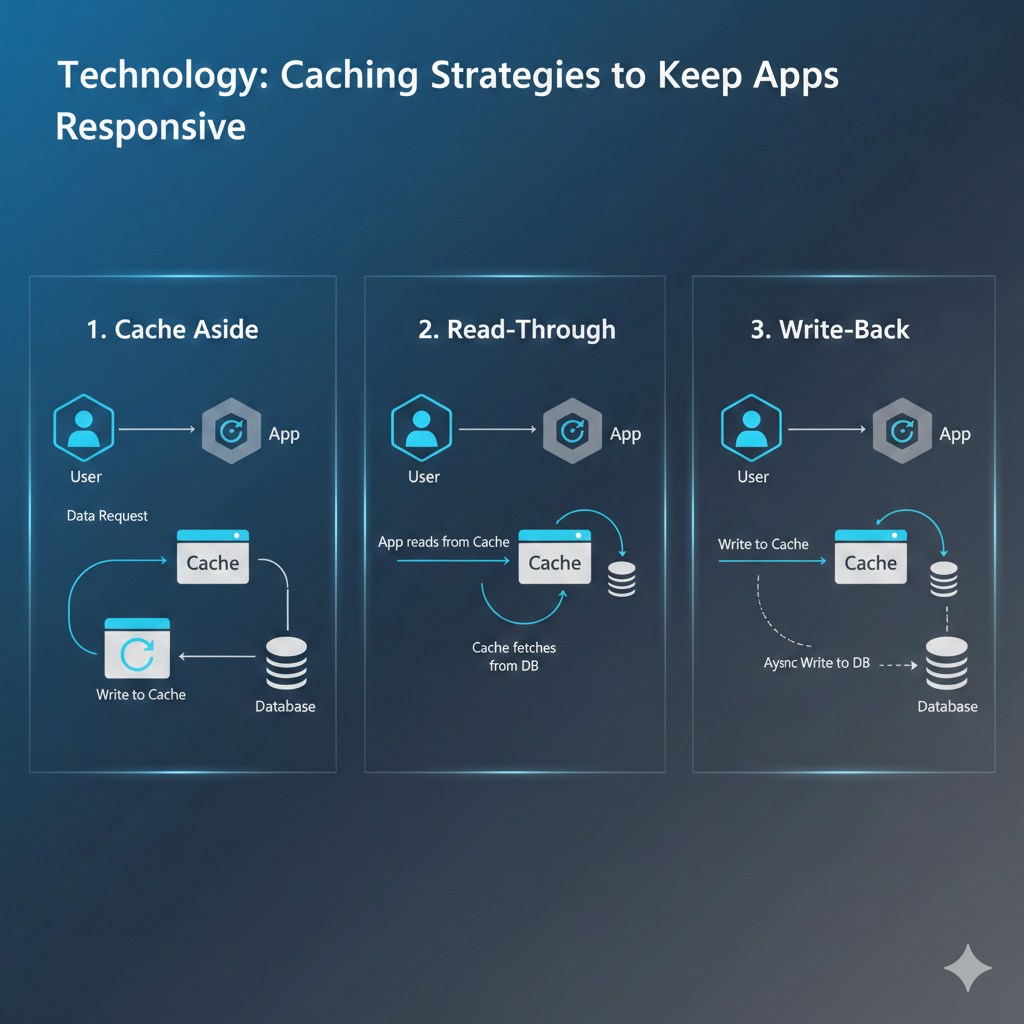
Technology: Caching Strategies to Keep Apps Responsive

Caching stores frequently accessed data or computed results so later requests return faster. Poor caching can cause stale data or hard-to-trace bugs, so strategy matters. <h3>Best places to cache</h3> <ul><li>Dashboards and reports accessed repeatedly.</li><li>Reference data that rarely changes (for example, unit and role lists).</li><li>Expensive aggregations (for example, monthly KPIs).</li></ul> <h3>Common caching patterns</h3> <ul><li><strong>Read-through</strong>: read from cache first, fall back to database when missing.</li><li><strong>Write-through</strong>: update cache when writing to the database.</li><li><strong>Cache-aside</strong>: application explicitly manages cache invalidation.</li></ul> <h3>Choosing a reasonable TTL</h3> TTL depends on data characteristics. Reference data can use longer TTLs, while process status data may need short TTLs or invalidation on change. It is better to be slightly fresher than fast but wrong. <h3>Metrics to monitor</h3> <ul><li><strong>Hit rate</strong>: how often cache is used versus database access.</li><li><strong>Latency</strong>: response time before and after caching.</li><li><strong>Staleness</strong>: how often users see out-of-date data.</li></ul> <h3>Common mistakes</h3> <ul><li>Not invalidating cache when data changes.</li><li>Inconsistent cache keys that overlap data.</li><li>Caching very dynamic data where invalidation is costlier than the benefit.</li></ul> Good caching is a measured trade-off: fast but still correct and easy to operate.